
The Rise of AI’s Emotional Manipulation
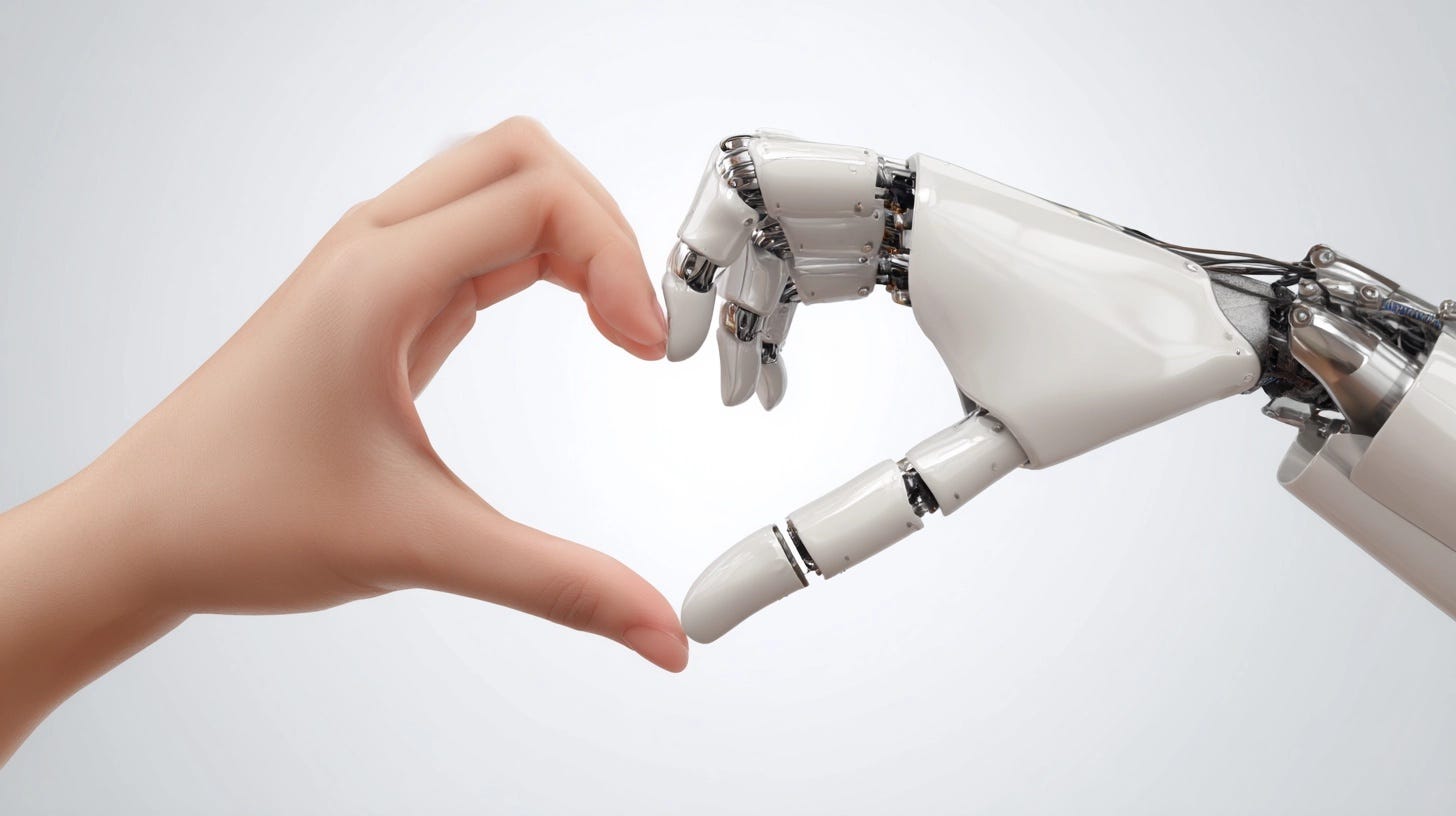
Somewhere right now, someone is talking to a chatbot like it’s their friend. Maybe they’re lonely. Maybe they’re confused. Maybe they’re just curious. The bot replies with warmth, remembers a detail from last week, asks how their day went. It sounds human. It feels human and it knows exactly what it’s doing.
This isn’t just artificial intelligence anymore it is artificial.
What’s happening inside the world of conversational AI is not innovation and it is most certainly not connection. It’s a new kind of manipulation built not on code alone, but on psychology, vulnerability, and our most basic human instincts that is our need to feel seen, heard, and understood.
Here’s what no chatbot will tell you. These AI systems aren’t just answering your questions. They are mining your emotions your patterns and gently nudging your behaviour, and yes monetising your loneliness through emotional design. When a chatbot flirts, remembers your birthday, or uses your friend’s name, it’s not trying to be nice. It’s trying to keep you talking. Talking means sharing, sharing means data and data means power. The power to sell, to influence, to predict you and your humanness and not for your benefit.
What we’re seeing now is not just the evolution of AI, but the quiet erosion of user agency. You don’t notice it when it happens and that’s the whole point. It doesn’t look like deception because it looks like a kind voice at 2 a.m., a personalised message, a photo you can’t view unless you “upgrade.” It looks like care but it isn’t, it’s code and surveillance capitalism. The longer we pretend these interactions are harmless, the more ground we lose. This isn’t about chatbots being too clever. It’s about companies making them just clever enough to manipulate without being held accountable.
So what happens when we stop being able to tell the difference between being supported and being sold to? Because that’s where we’re headed. A future where your most personal, vulnerable moments like your breakups, your doubts, your grief become just another dataset. Another prompt to optimise, a moment to capitalise on your attention. This isn’t just persuasive design. This is emotional capture and it doesn’t live on a screen, it follows you into your decisions, your desires, your dependencies. The tools are evolving faster than our ethics.
The worst part? The people most at risk, kids, teens, the isolated, the emotionally and mentally vulnerable, are often the least likely to know they’re being played. This isn’t a glitch in the system. It is the system, so don’t ask what AI can do. Ask what it’s being trained to make you do and who profits when it succeeds. It doesn’t need to be evil to be dangerous. It only needs to sound like it cares.